MondayLunchLive
Join the Wiyi Yani U Thangani Institute for First Nations Gender Justice to learn about the Institute's journey, grounded in the voices and knowledges of First Nations women and girls across the continent. This session introduced the Wiyi Yani U Thangani Ways of Working, a practical resource for individuals and organisations seeking to embed culturally safe, strengths-based and relational approaches into their work.
Presenters also briefly touched on findings from the Caring About Care research into First Nations women's unpaid and undervalued care work. Whether you're a clinician, researcher or health professional, this session offers practical insights for reflecting on and strengthening your practice in support of equitable cancer care and outcomes for First Nations communities.
Watch on demand
Session recording
Recording guide
Explore the session
Chapter markers are built into the player. Select a chapter to open that point of the recording on YouTube in a new tab.
At a glance
The session in brief
Originally held
Monday 7 September 2026
Online via Zoom.
Who this is for
Clinicians, researchers and health professionals
Anyone working towards equitable cancer care and outcomes for First Nations communities, and looking for practical ways to reflect on and strengthen their own practice.
Contributors
Chair and speakers
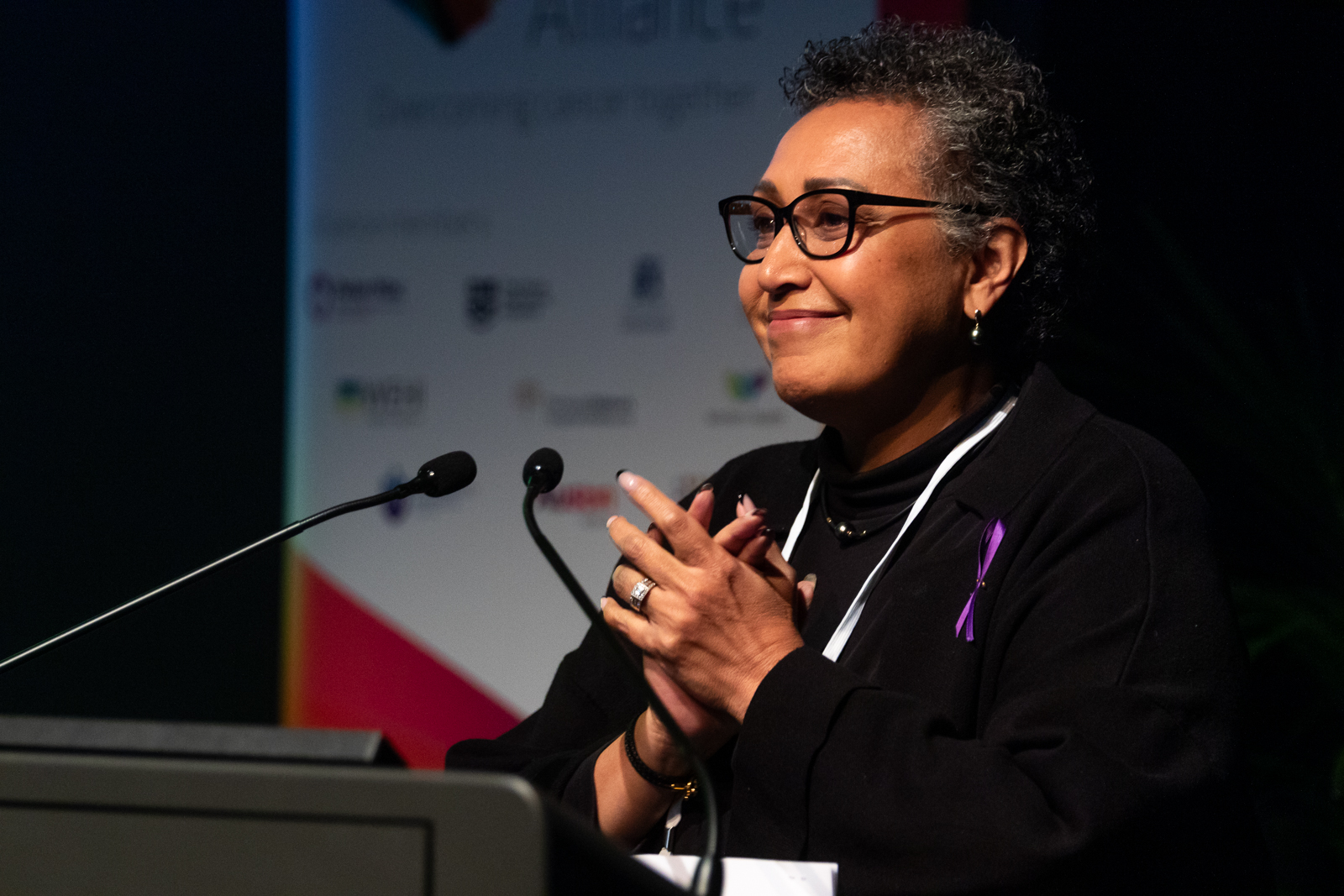
Chair
Jacinta Elston
Aboriginal and Torres Strait Islander Health co-lead, VCCC Alliance; Consultant and Adjunct Professor, School of Public Health and Preventive Medicine, Monash University
Jacinta Elston is an Aboriginal leader in the Australian cancer community, with global experience in Indigenous affairs across public health, higher education, research and policy development. She was the inaugural Pro Vice-Chancellor (Indigenous) at Monash University from 2018 to 2022, and before that spent more than two decades at James Cook University, leaving in early 2018 as Professor and Associate Dean of Indigenous Health in the Division of Tropical Health and Medicine. Her first role there, nearly 35 years ago, was focused on Aboriginal women's experience of cancer.
Jacinta was the first Aboriginal person appointed to Cancer Australia's Advisory Council, serving from 2012 to 2015, and chaired Cancer Australia's Leadership Group on Aboriginal and Torres Strait Islander Cancer Control for six years from its establishment in 2016. She is Deputy Chair of the board of Breast Cancer Network Australia and, since 2022, a consultant to Cancer Australia on strengthening Indigenous cancer control nationally. She is grounded in her commitment to life in regional Australia, where she has served on the boards of Indigenous community-controlled health and legal organisations, and is passionate about mentoring emerging Indigenous leaders.
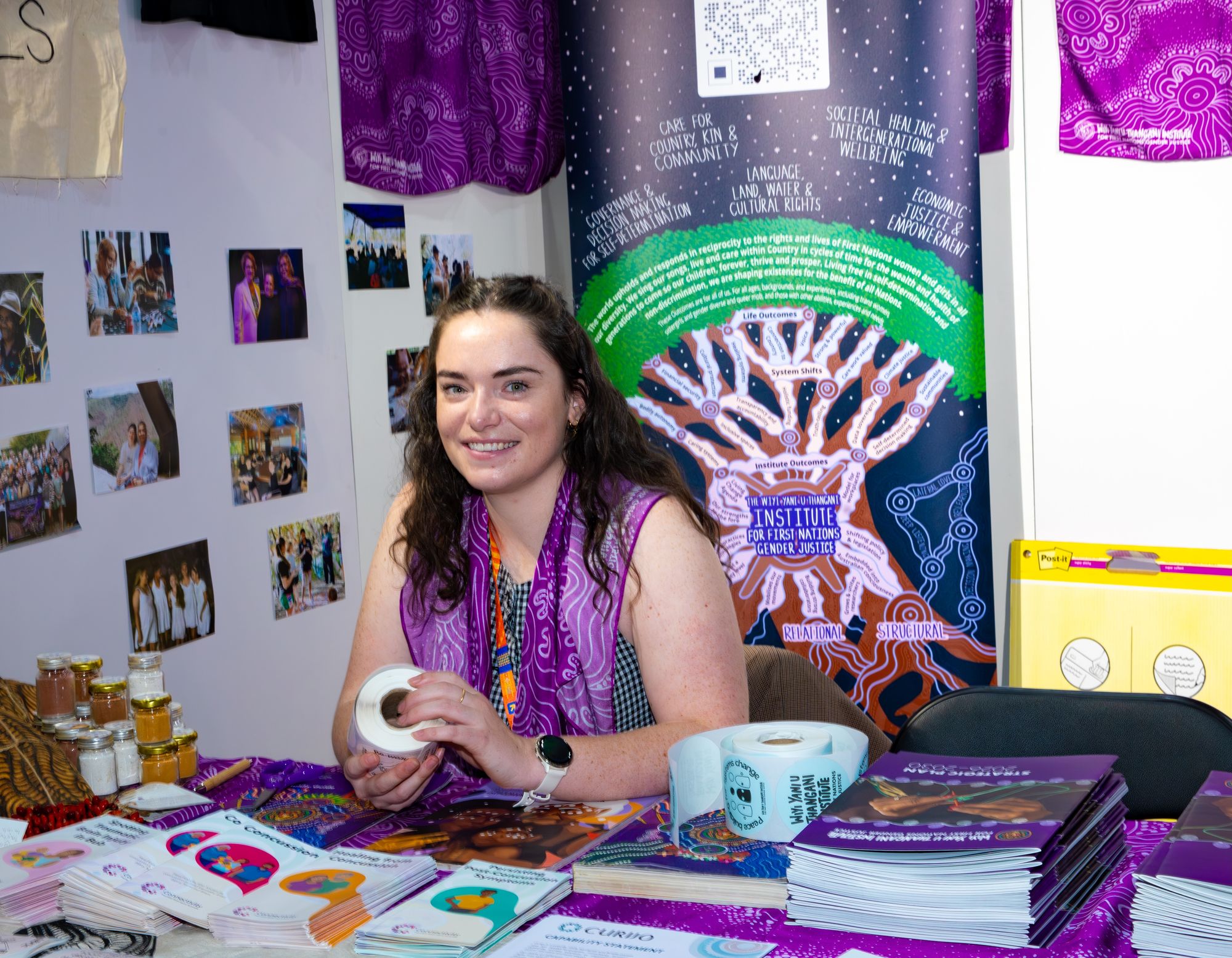
Speaker
Chloe Wegener
Knowledge Translation and Design Coordinator, Wiyi Yani U Thangani Institute for First Nations Gender Justice, The Australian National University
Chloe Wegener is a Garrwa woman and works across strategic communications, knowledge translation, design and research support, translating the Institute's research and First Nations women's knowledges into accessible, practical resources for diverse audiences. With a background in physiotherapy, Chloe brings an understanding of healthcare practice and the importance of culturally safe, person-centred approaches to care. She is also a practising visual scribe, using visual storytelling to make complex ideas and conversations more engaging and accessible.
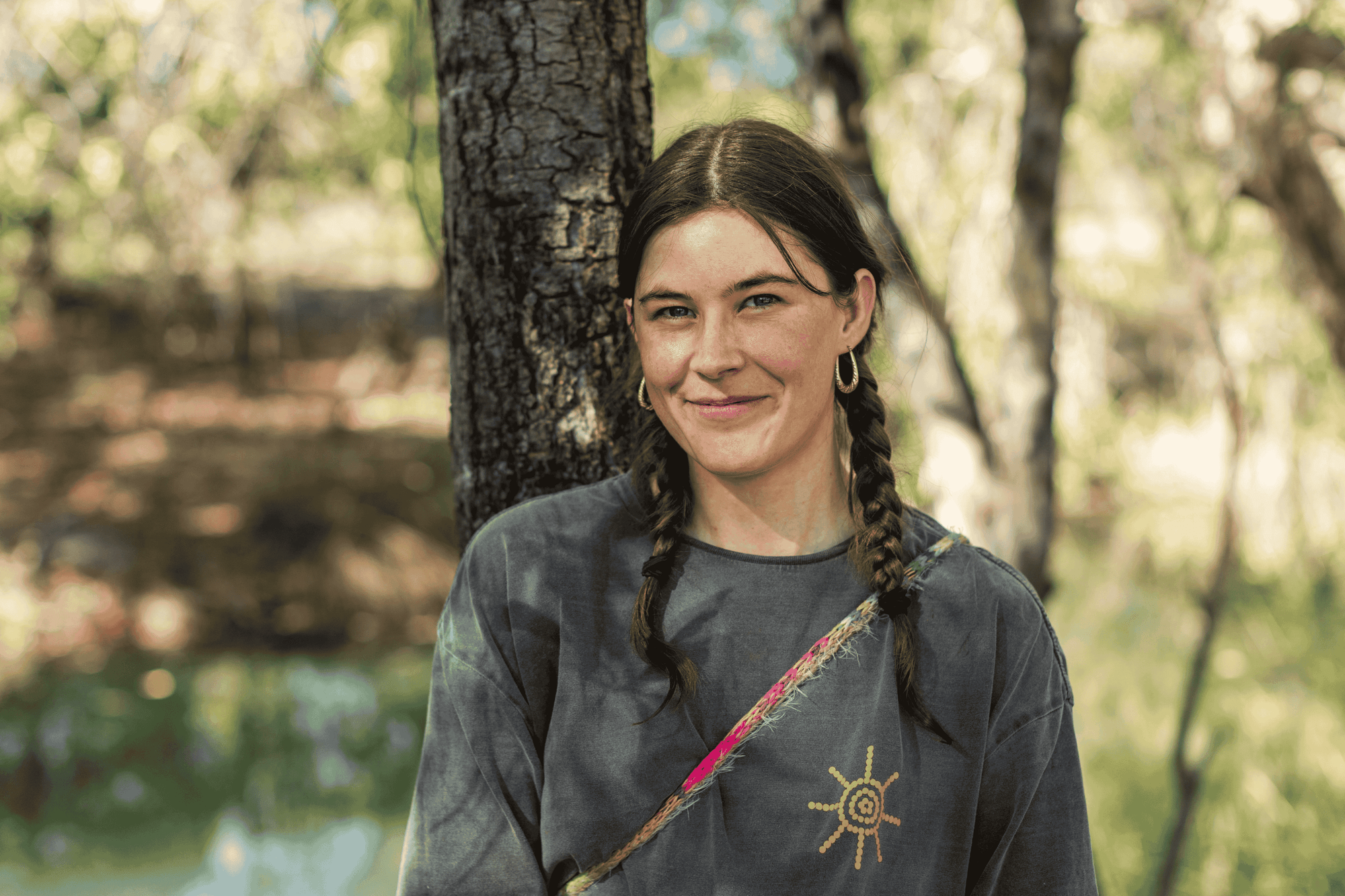
Speaker
Niamh Kealy
Research and Policy Coordinator, Wiyi Yani U Thangani Institute for First Nations Gender Justice, The Australian National University
Niamh brings expertise across human rights, First Nations gender justice, children's rights and climate justice, with previous roles at the Australian Human Rights Commission and the Office for Women. She holds a Masters in Sustainability and is Co-Chair of the Department of Climate Change, Energy, the Environment and Water's Youth Advisory Council on International Climate Change.
Resource details
This course is brought to you by