You will be required to login to view this resource.
To strengthen collective capability across the cancer sector workforce in Victoria to assess and address inequities in cancer care, by deepening awareness, understanding and building momentum for action.
Victoria had some of the best cancer outcomes in the world and was recognised as having a leading cancer system. However, the benefits of our world‑class system were not experienced equally by all Victorians, and that gap was widening. Where people lived, their income, their cultural background, and how the system saw them all impacted the care they received and their chances of survival. This event spotlighted the importance of equity in cancer outcomes, why it mattered, what it looked like in practice, and how we could work together to address it. Participants joined us for a special keynote address and presentations from projects that were taking real steps to assess or address inequities in cancer services and outcomes. Together, we explored how we could shift from awareness to action. This event brought together leaders, educators, researchers, health workers, and the community to prioritise health equity in cancer care.
The Advancing Equity in Cancer Outcomes Symposium had dynamic keynotes, interactive panels, and case studies, which aimed to:
- Deepened attendees understanding of health inequities across the cancer care continuum.
- Increase attendees awareness of guiding health equity principles and considerations in achieving equitable cancer care and outcomes.
- Explored real-world examples of efforts to assess and address inequities in cancer care and outcomes, informed by research, lived experience, and practice.
- Connected with others committed to equity in cancer care in Victoria to foster shared learning and collaboration, building momentum for action.
Event intended outcomes
- Explain key health inequities across the cancer care continuum and their impact on outcomes.
- Identify health equity principles and considerations and how they can inform equitable cancer care and outcomes.
- Analyse real-world examples of initiatives addressing cancer care inequities, incorporating insights from research, lived experience, and practice.
- Engage with peers and colleagues about equity in cancer care and establish connections for future collaboration and shared learning opportunities.
You will be required to login to view this resource.
Sessions
Keynote: Anti-racism, cultural safety and First Peoples cancer outcomes
Session 1 Equity of access for priority populations
Lived experience panel: Nothing about us without us: Lived experience driving equity in cancer care
Community Partner Presentation: The Australian Multicultural Health Collaborative
Session 2 Health equity in research
Keynote: Improving cancer care outcomes for CALD communities
Session 3 Equitable Clinical Care
Panel: Elevating equity in your sphere of influence equity in cancer care
With thanks to our Community Partner

Co-Chairs
Professor Jennifer Philip
Academic Lead, Palliative Care
Chair of Palliative Care, University of Melbourne; Physician, Palliative Medicine, St Vincent’s Hospital, Peter MacCallum Cancer Centre and Royal Melbourne Hospital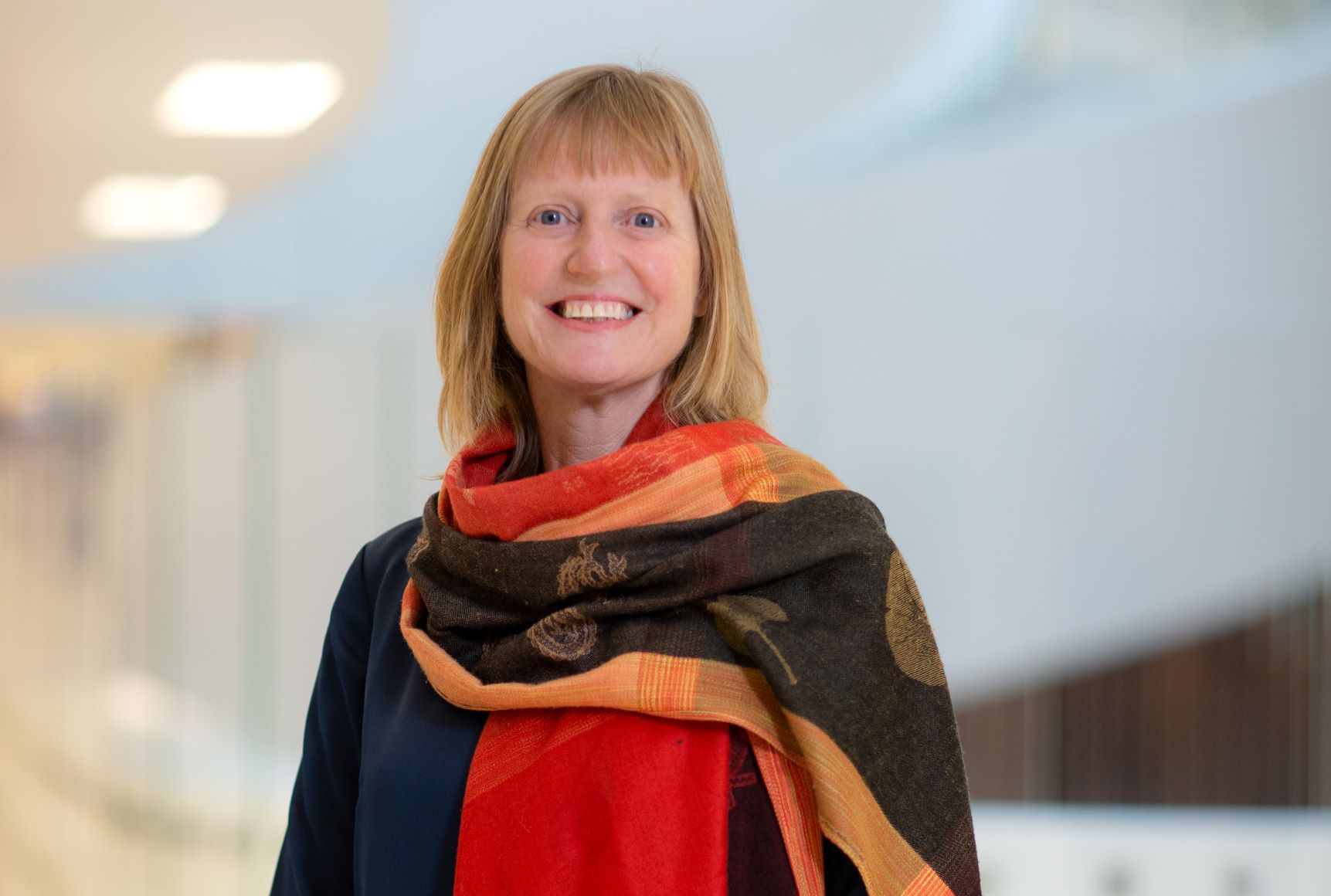
Palliative care is a relatively new area of clinical care, with enormous scope for research, education and clinical research studies. The discipline is a high priority in building Victoria’s clinical trial workforce capability, with high-level support from the community and a large group of patients who may benefit from participation in clinical trials. The goal of palliative care is to ensure people receive pain and symptom control, information and the support they need and deserve in the face of advanced and serious illness. Professor Philip is a palliative care clinician, researcher and educator with an interest in improving ways supportive and palliative care are delivered, ensuring care is underpinned by high quality evidence and that it is delivered by well trained professionals and carers. Professor Jennifer Philip’s research works to improve patient access to timely, high quality palliative care. Her leadership and direction across the alliance enables research growth and innovation to ensure evidence-based care practices are implemented.
Professor Jacinta Elston
Aboriginal and Torres Strait Islander Health co-lead
Consultant and Adjunct Professor, School of Public Health and Preventive Medicine, Monash University
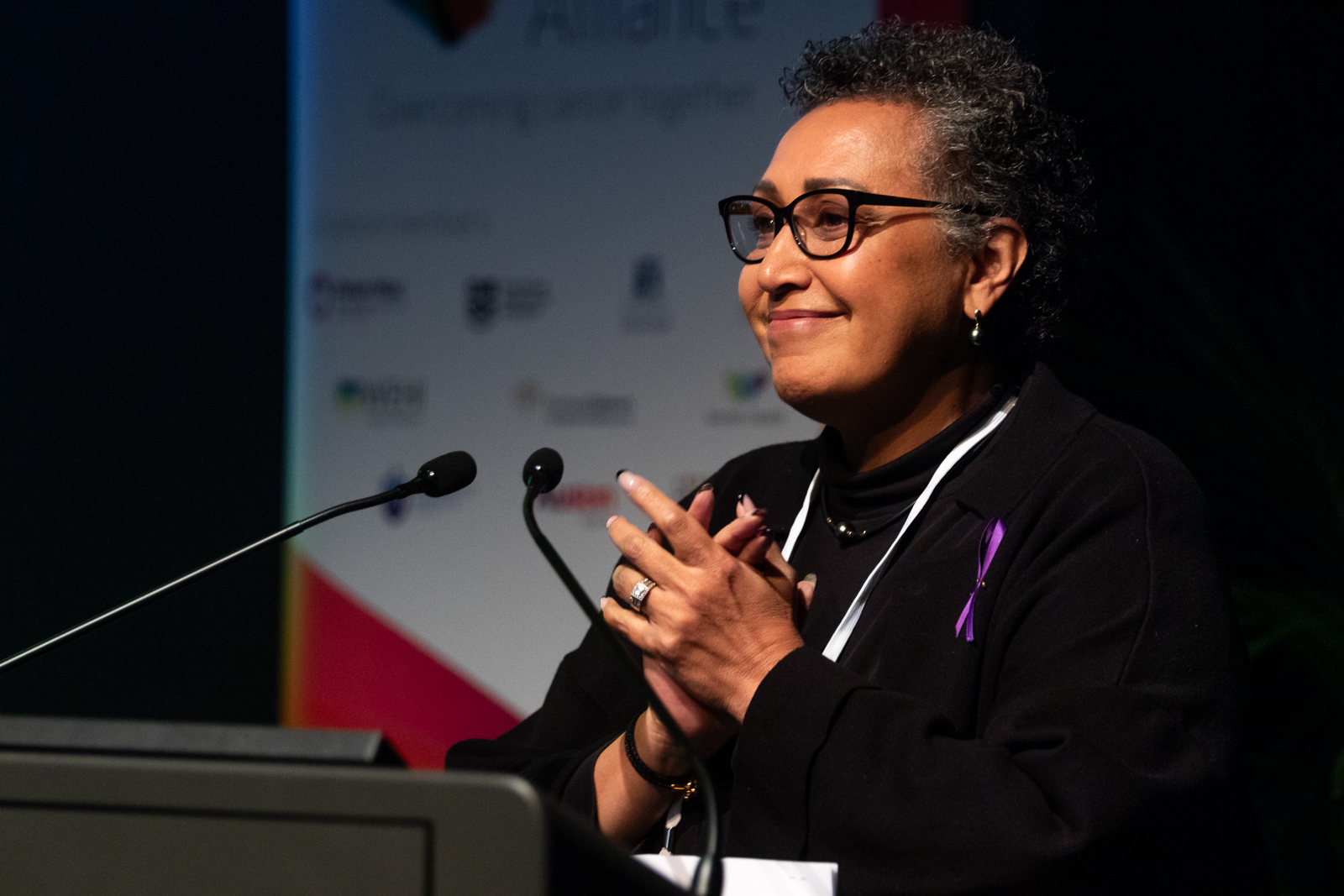
Jacinta Elston is an Aboriginal leader in the Australian cancer community with global experience related to Indigenous affairs in public health, higher education, research and policy development. Jacinta was the inaugural Pro Vice Chancellor (Indigenous) at Monash University from 2018-2022, and prior to that she held a significant role for more than two decades at James Cook University where when she left in early 2018, she was Professor and Associate Dean of Indigenous Health in the Division of Tropical Health and Medicine. Jacinta is passionate about mentoring emerging Indigenous leaders and strengthening corporate Australia’s capacity to partner with Aboriginal and Torres Strait Islander people to bring change to critical issues facing First Nations communities. She is grounded in her commitment to life in regional Australia where she has significantly served on boards of health and legal Indigenous community-controlled organisations. Her first role at James Cook University nearly 35 years ago was focused on Aboriginal women’s experience in Cancer. She was the inaugural Aboriginal person appointed to Cancer Australia’s Advisory Council (2012-2015), and from its establishment in 2016 she Chaired Cancer Australia’s Leadership Group on Aboriginal and Torres Strait Islander Cancer Control for 6 years. She has now been a survivor of Cancer for more than two decades and is currently serving on the board of the Breast Cancer Network of Australia as the Deputy Chair. Since 2022, Jacinta has been a consultant to Cancer Australia to help strengthen Indigenous cancer control across the country.



Resource details

This course is brought to you by