MondayLunchLive
Cancer care should not stop at survival. Many cancer survivors live with chemotherapy-induced peripheral neuropathy (CIPN), a persistent and often debilitating side effect that can cause ongoing pain, tingling and numbness, affecting mobility, independence and everyday life. Yet effective treatment options remain limited.
Could a non-drug treatment offer another way forward?
The TMaC Study investigated repetitive transcranial magnetic stimulation (rTMS) as a non-invasive approach to managing chronic CIPN in bowel cancer survivors. This session will share findings from the randomised, sham-controlled study, alongside participants' experiences of living with neuropathy and receiving TMS.
Watch on demand
Session recording
Recording guide
Explore the session
Chapter markers are built into the player. Select a chapter to open that point of the recording on YouTube in a new tab.
01 Introduction & session overview (opens in a new tab) 0:00 →
02 CIPN burden, oxaliplatin & pathophysiology (opens in a new tab) 3:09 →
03 TMS rationale and study design (opens in a new tab) 12:27 →
04 Results, patient-reported outcomes & qualitative insights (opens in a new tab) 18:34 →
05 Q&A: implementation, safety, timing, cost & next steps (opens in a new tab) 32:41 →
At a glance
The session in brief
Originally held
Monday 19 October 2026
Online.
Who this is for
Cancer survivors, patients and carers, cancer researchers, oncology and supportive care professionals, allied health professionals, students
Anyone interested in cancer survivorship and supportive care.
Contributors
Chair and speakers
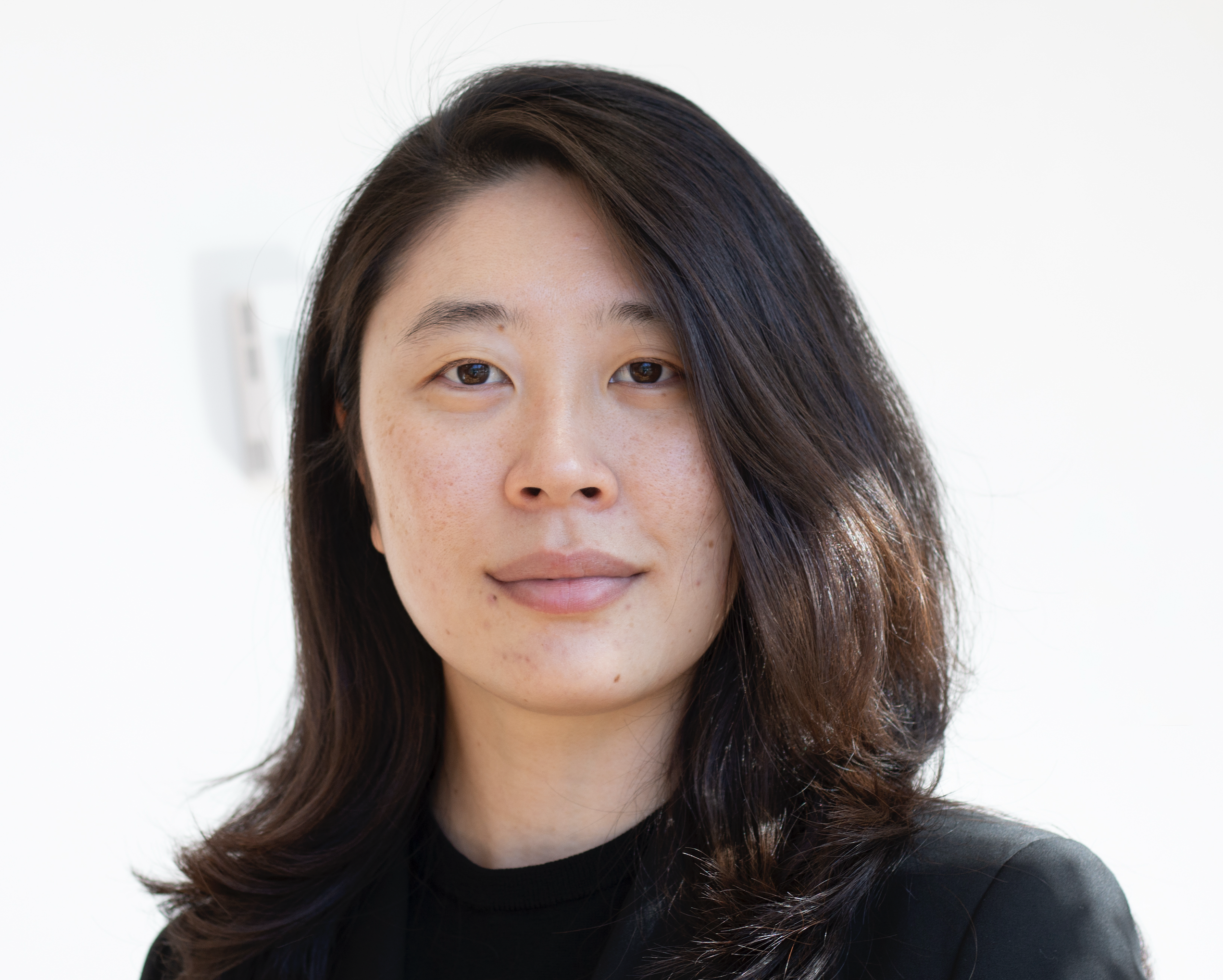
Chair
Dr Victoria Choi
Research Fellow, Senior Acupuncturist, Chris O'Brien Lifehouse; Senior Clinical Lecturer, University of Sydney
Dr Choi's clinical and research work focuses on integrative oncology and supportive cancer care, with particular interests in the use of acupuncture to manage cancer-related symptoms and treatment-related adverse effects. Her research spans clinical and mechanistic research in acupuncture, as well as health services research. Dr Choi is Principal Investigator of a clinical trial investigating electroacupuncture for chemotherapy-induced peripheral neuropathy (CIPN) in women being treated for breast cancer.

Speaker
Eva Kate Moore
PhD Candidate / Neuroscience and Supportive Care Researcher, School of Pharmacy and Biomedical Science, Adelaide University
Eva Moore is a PhD candidate and neuroscience researcher whose work focuses on understanding how the nervous system functions, adapts and can be modulated to improve health outcomes. Her research interests span neurophysiology, neuroplasticity, ageing, pain and non-invasive brain stimulation.
Eva leads the TMaC Study, a clinical trial investigating repetitive transcranial magnetic stimulation for persistent chemotherapy-induced peripheral neuropathic pain in bowel cancer survivors. Her work aims to translate neuroscience into meaningful improvements in supportive care and quality of life for people affected by cancer.


Resource details

This course is brought to you by