ClinicalTranslationalNetwork
This forum brought together multidisciplinary cancer care teams to build capability in the safe and effective integration of neoadjuvant immunotherapy for head and neck cancers. Participants explored emerging evidence, patient selection, treatment sequencing and toxicity management to support coordinated decision-making and greater consistency in clinical practice.
Watch on demand
Event recording
Recording guide
Explore the sessions
Chapter markers are built into the player. Select a session to open that point of the recording on YouTube in a new tab.
At a glance
The event in brief
Originally held
Thursday 23 July 2026
Science Gallery Melbourne and online via Zoom.
Who this is for
Multidisciplinary cancer care teams
Head and neck surgeons, medical and radiation oncologists, cancer nurses, allied health professionals and other clinicians involved in the care of patients with resectable head and neck cancer.
Contributors
Chair and speakers
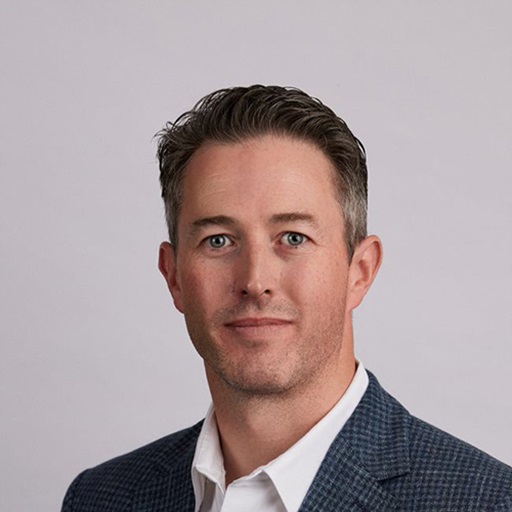
Chair
Prof Ben Dixon
Director/Head of Unit, ENT Head & Neck department, St Vincent's Hospital Melbourne; Garnett Passe & Rodney Williams Professor of Otolaryngology Head & Neck Surgery, University of Melbourne
Prof Dixon is an ENT Surgeon specialising in Head and Neck Oncology and Skull Base Surgery. He completed his FRACS in Otolaryngology, Head and Neck Surgery in Victoria. Following this, he spent two years at the University of Toronto undertaking a fellowship in Head & Neck Oncology, Endoscopic Skull Base Surgery, Microvascular Reconstruction and Thyroid Surgery. After further training in Transoral Robotic Surgery at the University of Pennsylvania he established the TORS program at Peter MacCallum Cancer Centre.
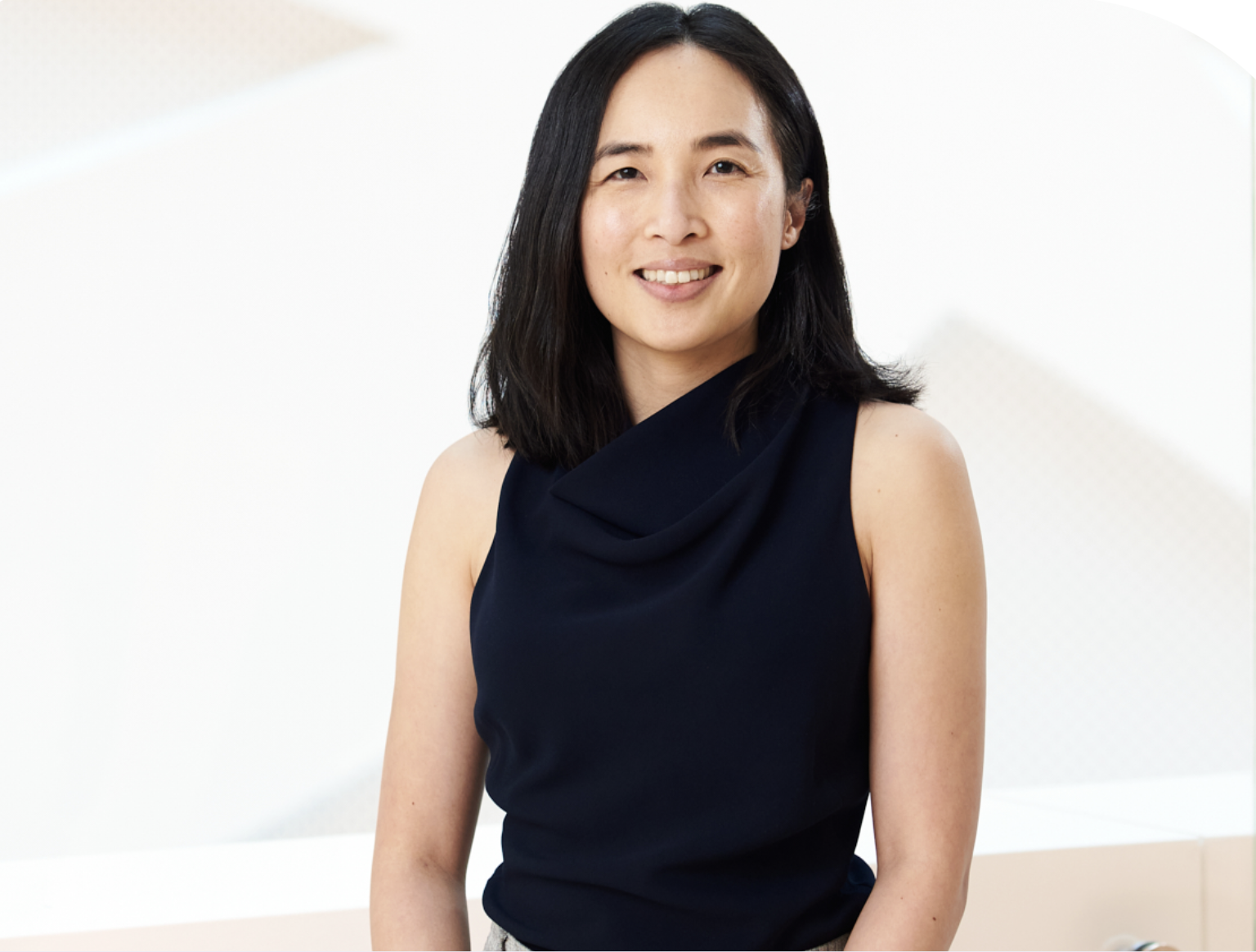
Speaker
Dr Alesha Thai
Medical Oncologist, Peter MacCallum Cancer Centre and Austin Health
Dr Thai's research investigates the interplay between the tumor microenvironment, the host immune system, and viral causes of head and neck cancer. She places a strong emphasis on improving disparities in patient care, especially for patients from culturally and linguistically diverse backgrounds.
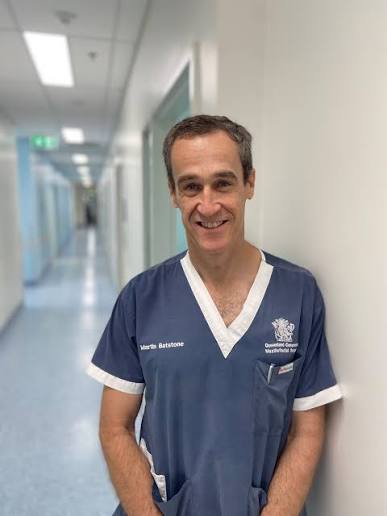
Speaker
A/Prof Martin Batstone
Director of the Royal Brisbane and Women’s Hospital Maxillofacial Unit
Associate Professor Martin Batstone completed his Medical and Dental degrees at the University of Queensland and was a graduate of the Queensland Oral and Maxillofacial surgery training program. This was followed by three years of additional training in head and neck cancer surgery in Liverpool in the UK culminating in a Fellowship of the Royal College of Surgeons of England. He practices the whole scope of oral and maxillofacial surgery with a special interest in head and neck cancer and reconstructive surgery.
Panellists
Dr Kevin Nguyen
ENT Surgeon, The Royal Melbourne Hospital, Peter MacCallum Cancer Centre and Eastern Health
Dr Tsien Fua
Head and Neck Radiation Oncologist, Peter MacCallum Cancer Centre

Event partner
MSD provided financial support for this event. Content was developed independently by the VCCC Alliance and the presenting faculty.

Resource details
This course is brought to you by