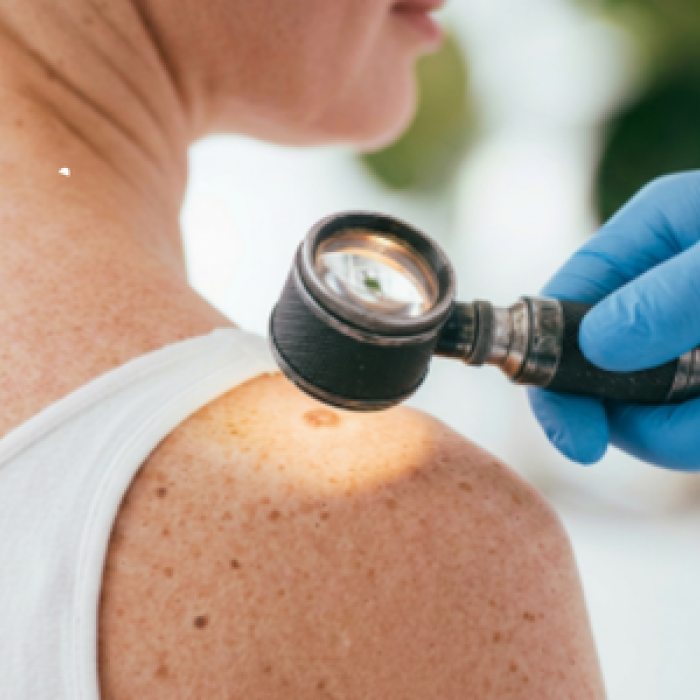
This webinar focused on the evolution of our national cancer culture in relation to melanoma, as well as the critical role of early detection and screening. By educating patients on skin cancer prevention strategies and utilising effective screening methods, nurses can help reduce the incidence of melanoma and improve patient outcomes through early diagnosis.
Watch on demand
Event recording
Recording guide
Explore the topics
Open the guide below to see the nine topics covered, then select any topic to open the recording at that point on YouTube in a new tab.
Show the 9 topicsHide the topics
Learning outcomes
What you will learn
After this session, nurses will be able to:
01
Describe the evolution of national cancer culture
Describe the evolution of the national cancer culture regarding melanoma and its impact on behaviour.
02
Apply prevention and screening strategies
Know effective strategies for prevention and screening that can be used in clinical practice to enhance early melanoma detection and prevention.
At a glance
The event in brief
Originally held
Thursday 20 March 2025
Online webinar, part of the Melanoma Nursing Webinar Program.
Who this is for
Nurses
Nurses supporting melanoma prevention, early detection and screening in clinical practice.
Contributors
Speakers
Speaker
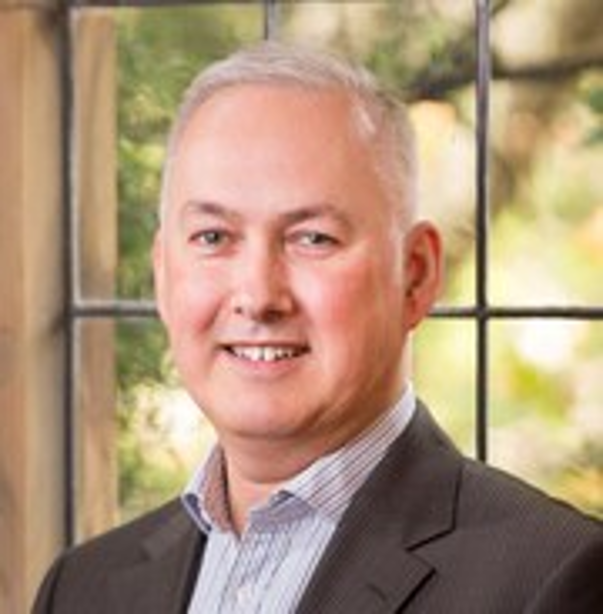
Professor Andrew May
Social Historian and Professor of Australian History, School of Historical & Philosophical Studies, University of Melbourne
Professor Andrew May is a social historian and Professor of Australian History in the School of Historical & Philosophical Studies at the University of Melbourne, where he has been a faculty member since 2000. He has published widely on the social experience of the Australian city, including Melbourne Street Life (1998), Espresso! Melbourne Coffee Stories (2001), Federation Square (2003, with Norman Day), and as principal editor of The Encyclopedia of Melbourne (2005). As facilitator of the Melbourne History Workshop, he oversees a studio-based research collaboratory in the History Program which taps the pooled expertise of staff, research higher degree students and affiliates to provide innovative and rigorously applied historical research, postgraduate training, industry collaboration and community-facing projects. He also has an interest in aspects of colonialism in India, his key contribution to the scholarship being Welsh Missionaries and British Imperialism: The Empire of Clouds in North-East India (2012).
Speaker
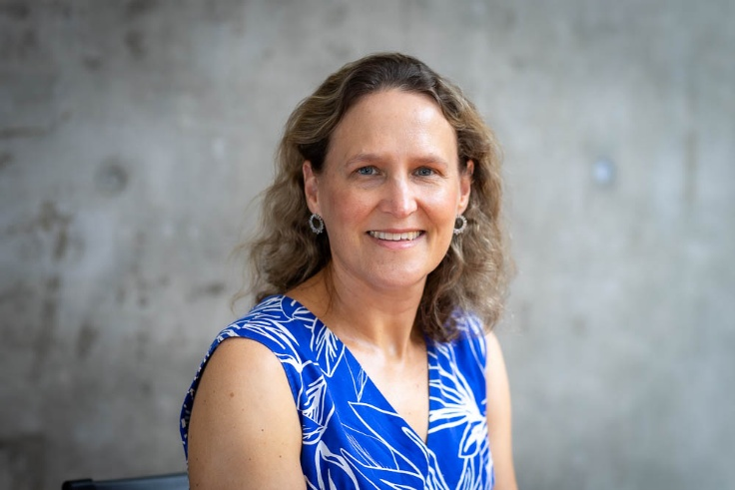
Professor Anne Cust
Cancer Epidemiologist, and Deputy Director of the Daffodil Centre
Professor Anne Cust is a cancer epidemiologist and Deputy Director of the Daffodil Centre, a joint venture between Cancer Council NSW and the University of Sydney, where she leads the Melanoma and Skin Cancer Stream. She is a Professor of Cancer Epidemiology in the Faculty of Medicine and Health at the University of Sydney, and a faculty member of Melanoma Institute Australia. Her research focuses on melanoma epidemiology, prevention, early detection and survivorship, with a strong emphasis on translational outcomes. Anne leads a Centre for Research Excellence in Melanoma with colleagues from Melanoma Institute Australia and other interstate melanoma centres, and collaborates on several international melanoma consortia (GenoMEL, GEM, InterMEL) focused on improving melanoma outcomes. She is a Past-President of the Australasian Epidemiological Association.
This webinar was brought to you by
Resource details