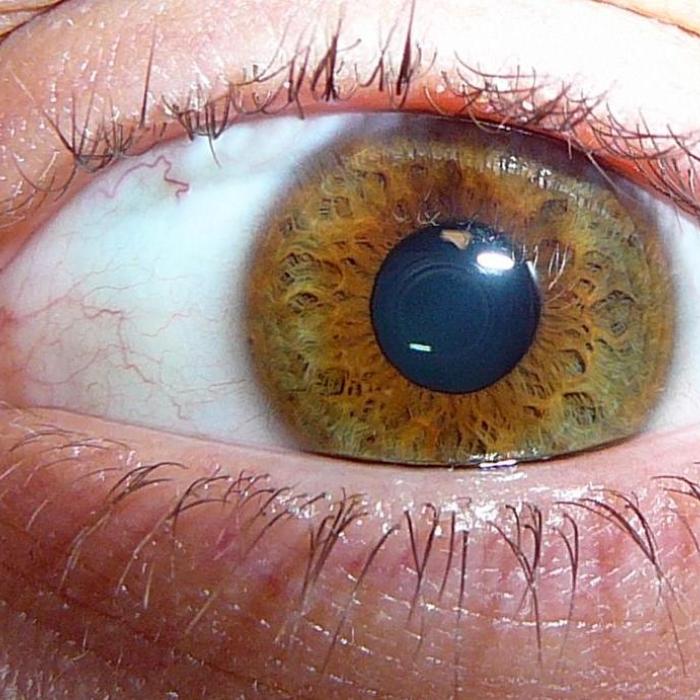
This webinar was tailored for nurses aiming to deepen their understanding of metastatic ocular melanoma. It explored risk factors and metastatic patterns, screening and diagnostics, and discussed prognosis and treatment options, including current trials. Nurses gained insights into patients' unique risk factors for metastasis and tailored approaches to surveillance and treatment options, and, from a lived experience consumer, learned about the impact of living with ocular melanoma and different treatments — equipping them with the knowledge to offer comprehensive care and patient education as critical members of the multidisciplinary team.
Watch on demand
Event recording
Recording guide
Explore the topics
Open the guide below to see the eight topics covered, then select any topic to open the recording at that point on YouTube in a new tab.
Show the 8 topicsHide the topics
Learning outcomes
What you will learn
After this session, nurses will be able to:
01
Identify risk factors for metastatic melanoma
Identify the clinical and molecular risk factors for metastatic melanoma.
02
Understand surveillance protocols
Understand standard surveillance protocols and diagnostics.
03
Summarise current treatment strategies
Summarise current treatment strategies for metastatic disease.
04
Appreciate the patient impact
Appreciate the impact on a patient of living with ocular melanoma and experience of different treatments.
05
Understand the nurse's role in patient-centred education
Demonstrate understanding of the nurse's role in delivering patient-centred education and support related to metastatic melanoma tailored surveillance, treatment and prognosis.
At a glance
The event in brief
Originally held
Thursday 18 September 2025
Online webinar, part of the Melanoma Nursing Webinar Program.
Who this is for
Nurses
Nurses aiming to deepen their understanding of metastatic ocular melanoma.
Contributors
Speakers

Speaker
Associate Professor Matteo Carlino
Medical Oncologist
Matteo Carlino is a Medical Oncologist at Westmead and Blacktown Hospitals, a Clinical Associate Professor at the University of Sydney, and a faculty member at Melanoma Institute Australia. He undertook a PhD examining predictors of response and mechanisms of resistance to BRAF and MEK inhibitor treated melanoma, and continues to be involved in translational research, particularly examining response and mechanisms of resistance to both targeted and immunotherapy. He has a clinical interest in the treatment of melanoma, non-melanoma skin cancer and uveal melanoma, and is an investigator on multiple Phase I, II and III clinical trials.

Speaker
Adrian Dodd
Consumer Representative
In March 2022, Adrian was diagnosed with a tumour on his eye by Albury Eye Clinic and was referred to a Melbourne ophthalmologist who diagnosed melanoma on the optic nerve. Radiotherapy shrunk the tumour, however it resulted in multiple complications requiring removal of the eye this year. Throughout a long career as an accountant, Adrian has run his own accounting practice and consulted widely. Adrian has had lots of restrictions and setbacks since his diagnosis and treatment, and hopes that sharing his journey will help anyone who has contact with or provides treatment to any future patients.
This webinar was brought to you by
Resource details