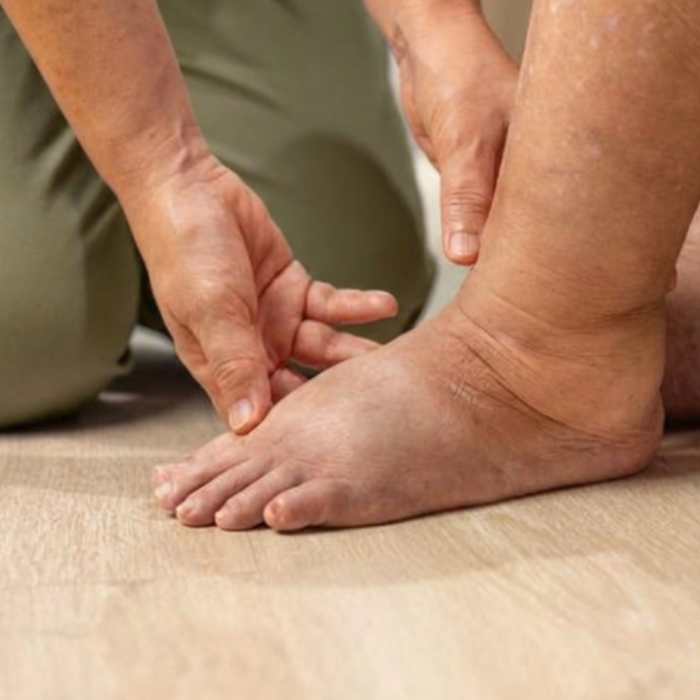
This webinar was designed to equip specialist nurses with the knowledge and skills to effectively assess, monitor and support patients living with lymphoedema following melanoma treatment. Incorporating the lived experience of a consumer, the session highlighted evidence-based strategies for prevention, early identification and management of lymphoedema, as well as considerations in regional and rural settings, giving nurses insight into the physical and psychosocial impacts of lymphoedema and practical approaches to multidisciplinary treatment and patient education.
Watch on demand
Event recording
Recording guide
Explore the topics
Open the guide below to see the seven topics covered, then select any topic to open the recording at that point on YouTube in a new tab.
Show the 7 topicsHide the topics
Learning outcomes
What you will learn
After this session, nurses will be able to:
01
Describe pathophysiology and risk factors
Describe the pathophysiology, risk factors and clinical presentation of lymphoedema in people treated for melanoma.
02
Identify early signs and integrate monitoring
Identify early signs and symptoms of lymphoedema and consider ways of integrating this into ongoing patient monitoring.
03
Understand evidence-based management strategies
Understand evidence-based strategies for lymphoedema management, including referral pathways, supportive therapies and self-management education for patients and carers.
04
Describe quality-of-life impact and consumer perspectives
Describe the impact of lymphoedema on patient quality of life and incorporate consumer perspectives into person-centred care.
At a glance
The event in brief
Originally held
Tuesday 21 October 2025
Online webinar, part of the Melanoma Nursing Webinar Program.
Who this is for
Nurses
Specialist nurses assessing, monitoring and supporting patients living with lymphoedema following melanoma treatment.
Contributors
Speakers
Speaker
Carol Morris
Lymphoedema Physiotherapist, Melanoma Institute Australia
Carol Morris is an APA specialist physiotherapist who developed an interest in lymphoedema whilst working in the UK. After completing lymphoedema training in Austria, she continued treating patients both in the private and post-mastectomy hospital setting. Returning to Australia in 2007, Carol went on to complete her Masters and also worked as a research assistant with the Breast Cancer Research Group at the University of Sydney, before joining the Lymphoedema Clinic at Melanoma Institute Australia in 2012. Carol's clinical interests include the effects of exercise and an active lifestyle on the affected limb after node removal surgeries and radiotherapy, and with a keen interest in sports and the outdoors, she aims to provide patients with an integrated lymphoedema management approach to return patients to their pre-cancer activity levels.
Speaker
Monique Bareham
Consumer Advisor
Monique believes that all Australians affected by lymphoedema should have affordable access to evidence-based care and self-management support. Monique was awarded the Australian of the Year, South Australian Local Hero and Joy Nobel Medal in 2022 in recognition of her tireless patient support and advocacy leading to the launch of the South Australian Lymphoedema Compression Garment Subsidy Scheme in 2021, which provides vital compression garments for thousands of individuals affected by lymphoedema. Since then, Monique has taken her advocacy to a national level and is the driving force behind the Federal Parliamentary Friends of Lymphoedema, launched in 2024. Monique sits on several health-related boards and committees as a Consumer Advisor/Lived Experience Expert, and is regularly invited to collaborate on health research projects, assisting with co-designing project proposals, co-authoring papers and presenting at conferences and forums. In 2025, Monique commenced a Master in Health and Clinical Research at Flinders University focusing on Consumer and Community Involvement (CCI) in health research and service delivery.
This webinar was brought to you by

Resource details