Melanoma Nursing Webinar Program
Recognising the deteriorating patient – complex clinical assessment workshop
This webinar was held on 26 February, 2026, 10.00am -1.30pm
To enhance the ability of advanced practice melanoma nurses to recognise, assess, and respond to deteriorating patients in different clinical environments.
This session explored the recognition and management of the deteriorating patient in melanoma care, equipping advanced practice nurses with the skills to confidently assess and respond to acute clinical changes across inpatient, outpatient and community settings. Participants will examine the causes of acute deterioration and oncological emergencies specific to melanoma, including treatment-related toxicities and complex comorbid presentations. The workshop emphasised the importance of early identification of subtle warning signs, timely escalation of care, and the application of comprehensive assessment techniques such as sepsis recognition. Learners will also consider the clinical use of structured assessment tools, including telehealth triage approaches such as the UKONS tool, to support safe, evidence-informed decision-making when managing unwell patients remotely.
Learning outcomes:
By the end of this workshop, participants will be able to:
- Understand and differentiate the causes of acute deterioration and oncological emergencies in patients with melanoma.
- Recognise the importance of early identification of subtle symptoms and appropriate escalation of care.
- Apply comprehensive assessment techniques for acutely unwell patients, including sepsis recognition, considering inpatient, outpatient and community presentations.
- Understand and consider clinical application of tools available, such as the UKON’s telehealth assessment tool, to triage phone calls from unwell patients.
Speakers
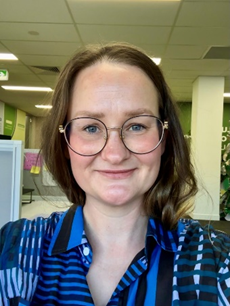 |
Dr Polly Dufton Dr Polly Dufton is an experienced cancer nurse with over 14 years of experience across acute and ambulatory cancer settings. Among other advance practice nursing roles, she spent more than nine years as a Clinical Nurse Consultant in a Symptom and Urgent Review Clinic (SURC) at Austin Health in Melbourne, where she provided advanced assessment and management of treatment-related symptoms for patients receiving systemic anti-cancer therapy. Alongside her clinical work, she has been involved in evaluating health service use and nurse-led models of care, including SURCs and geriatric oncology models. She is currently the Clinical Lead for Specialist Lung Cancer Nurses at Lung Foundation Australia and the Deputy Co-Lead for Cancer Nursing Research and Education at the VCCC Alliance. |
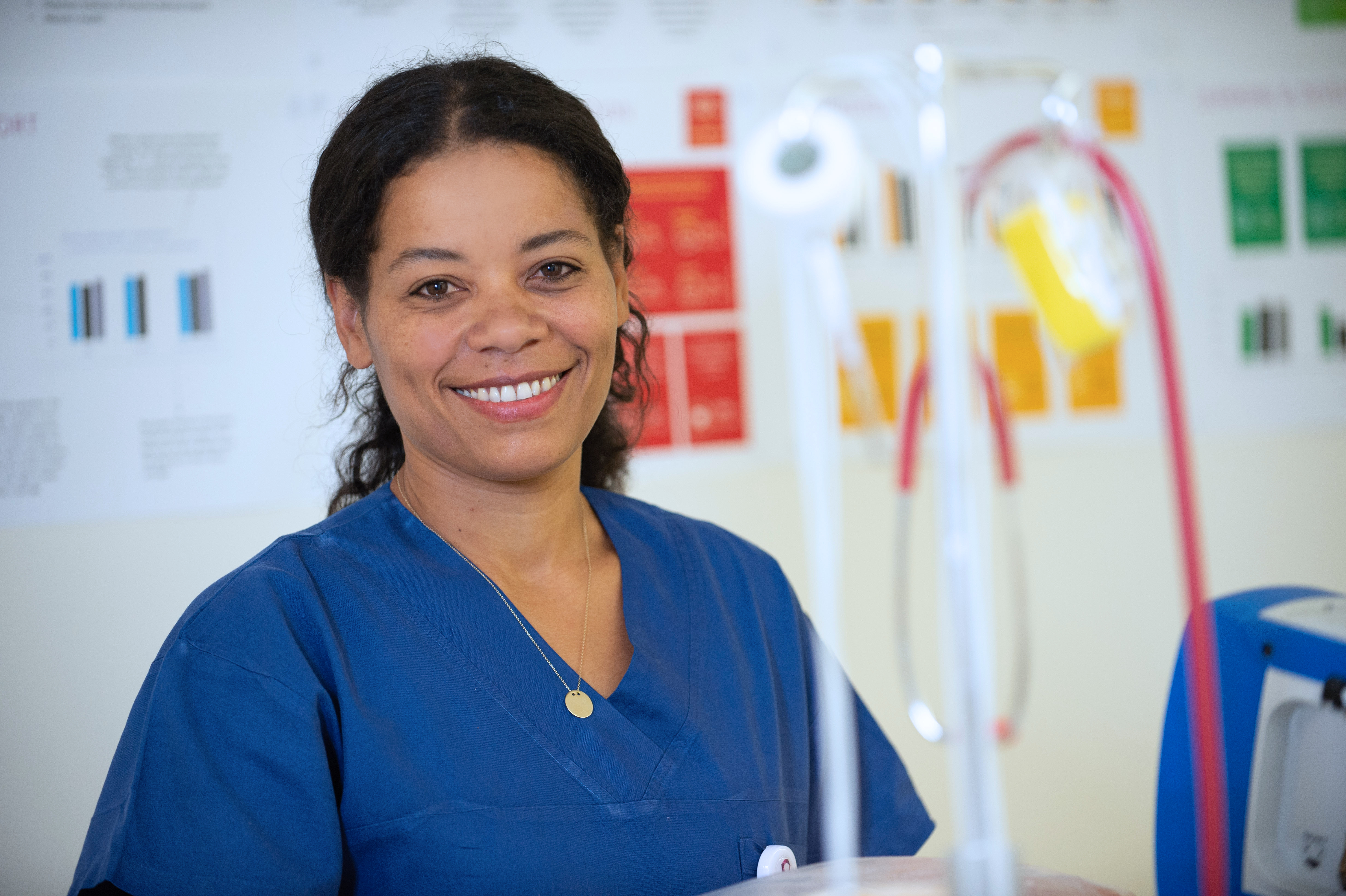 |
Alison Lemoh Alison Lemoh is a PhD Fellow with The National Centre for Infections in Cancer and University of Melbourne. Clinically she works as an ICU Outreach Nurse Consultant at the Peter MacCallum Cancer Centre. She completed her Postgraduate Critical Care studies in 2005 whilst working at the Royal Prince Alfred Hospital in Sydney before going on to complete the Graduate Certificate in Cancer Nursing at Peter Mac and the University of Melbourne. She was awarded an Australian Legion of Ex-Servicemen and Women scholarship by the Australian Nurses Memorial Centre to complete her Master of Advanced Nursing Practice. Her PhD focus investigates the role of nurses and nursing leadership in the early recognition and management of sepsis across metropolitan, rural/regional and remote Australian healthcare settings. It also explores how clinical team dynamics, cultural and linguistic diversity amongst staff, and psychological safety in organisational culture impacts on how nurses communicate concern and escalate care in response to patient deterioration. |
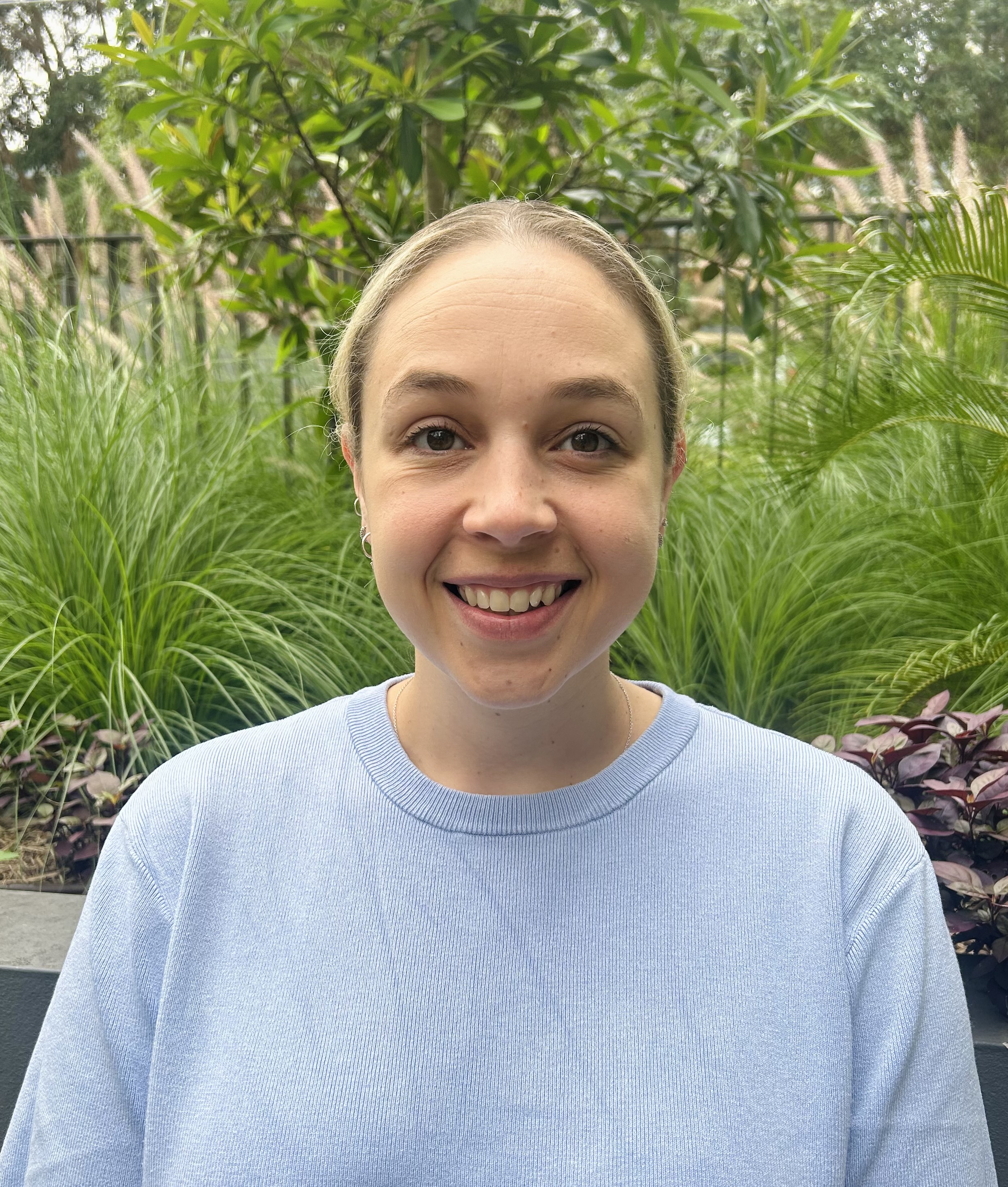 |
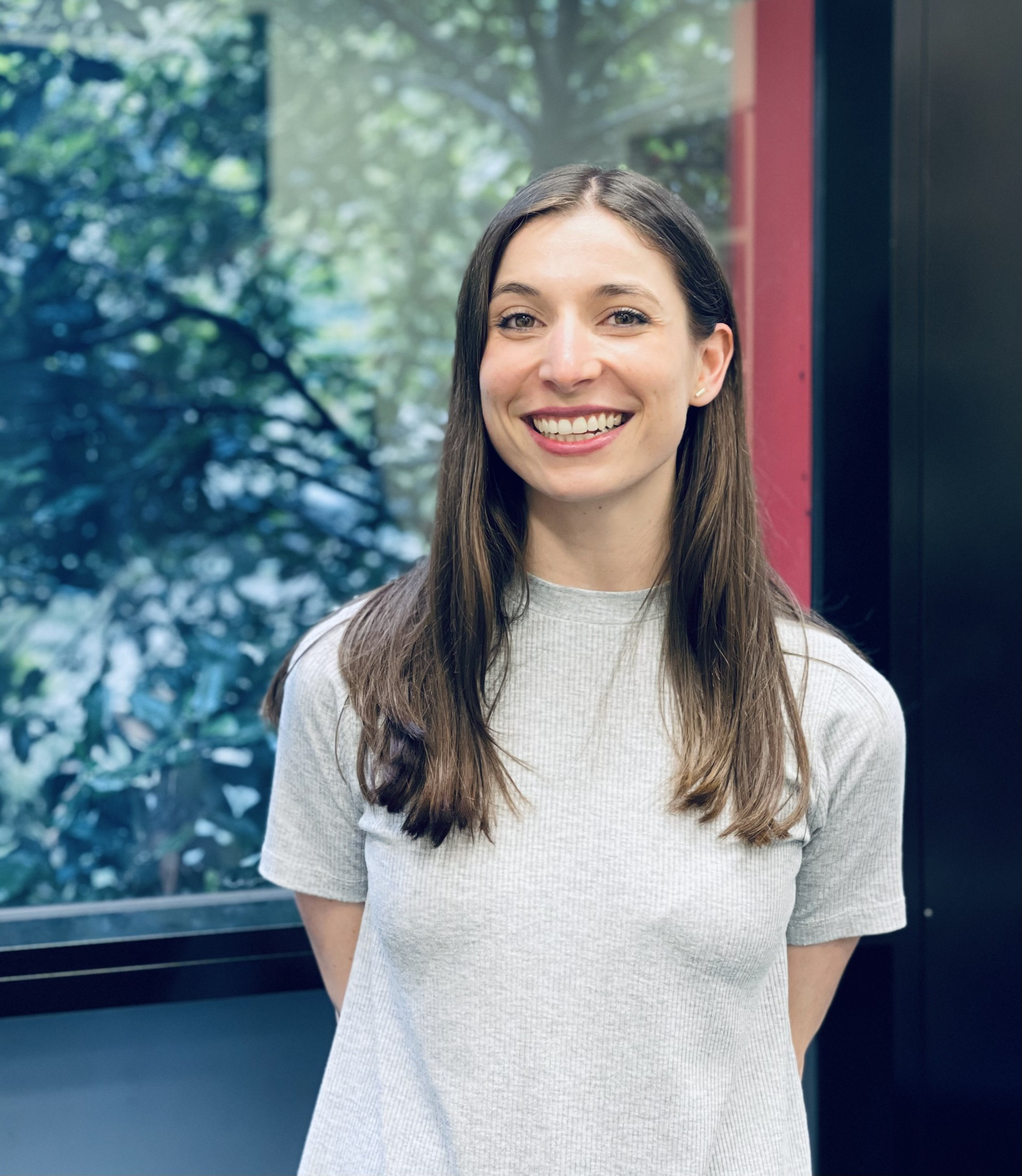
Laura O'Driscoll Laura has a background in medical-surgical oncology nursing, working at the Mater hospital for 8 years prior to moving across to Melanoma Institute Australia. For the past year she has been working at MIA as a clinical nurse consultant, continuing her focus on delivering specialised, patient-centred cancer care. |
 |
Rebecca Biviano Rebecca is an oncology nurse with eight years of clinical practice in cancer care. For the past five years, she has worked at the Melanoma Institute Australia as a Clinical Nurse Consultant in Medical Oncology, where she is involved in the delivery of specialised care for patients with melanoma and non-melanoma skin cancers. |
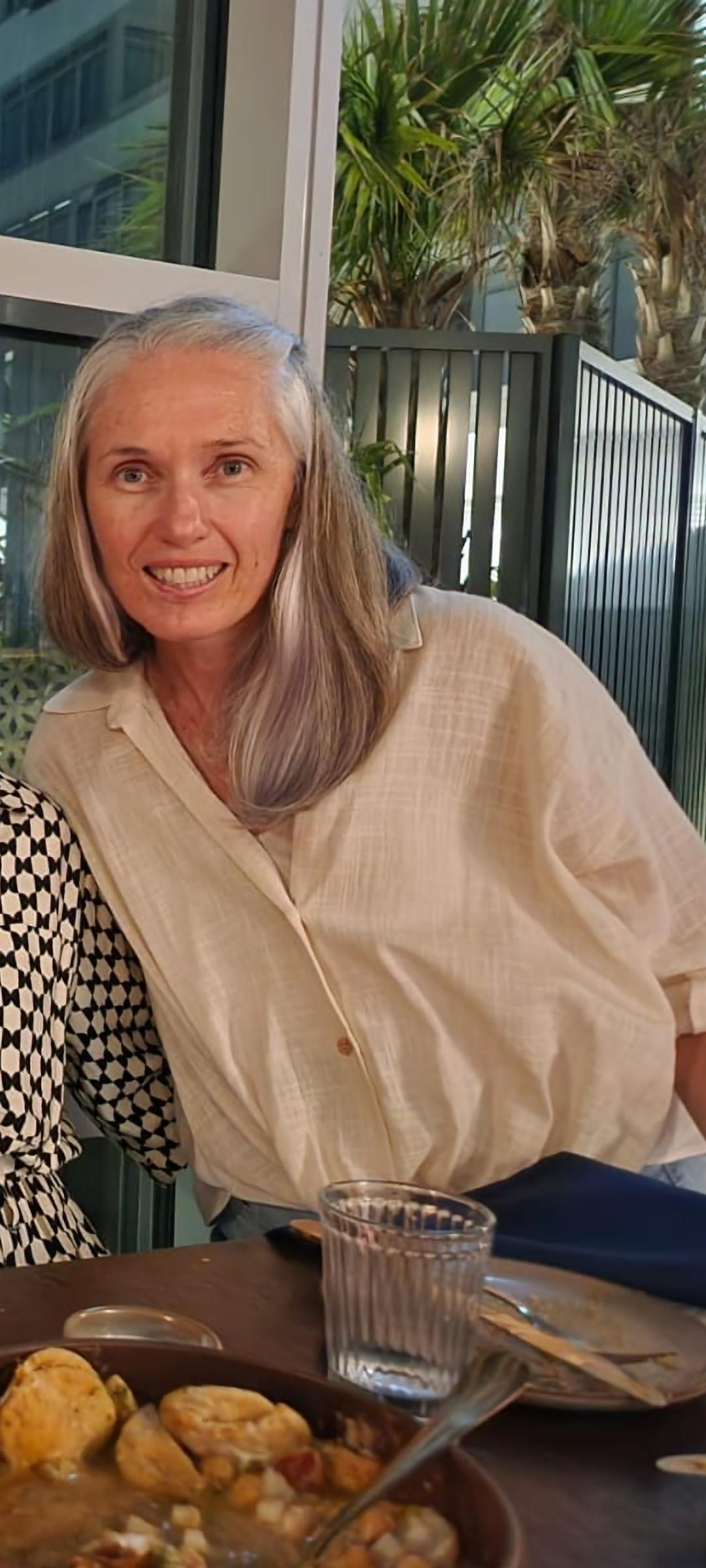 |
Sue Smith Sue is consumer representative whose lived experience has helped inform the development of the Melanoma Nursing Education Program. Sue received treatment for a rare and aggressive type of melanoma of the lower lip, called desmoplastic neurotropic melanoma. Her treatment has included surgery, radiotherapy and medication as part of a clinical trial. Sue became a consumer representative so that she could help to educate people on different types of melanoma, help influence the way people with cancer are treated by highlighting the impact a cancer diagnosis can have on the whole person and their family, and to advocate that all patients receive holistic care. Along with her many contributions as a consumer, Sue is a Registered Nurse working in the community. |
 |
Michael Cooney, Cancer Nurse Practitioner, Northern Hospital Michael has worked with people affected by cancer, as a clinician, educator, manager and leader for more than 35 years, with experience spanning inpatient and outpatient settings in both public and private health care systems. An endorsed Cancer Nurse Practitioner; he holds a Masters qualification in Cancer Nursing and an additional Masters qualification in Business Leadership. |
Resource details
This course is brought to you by