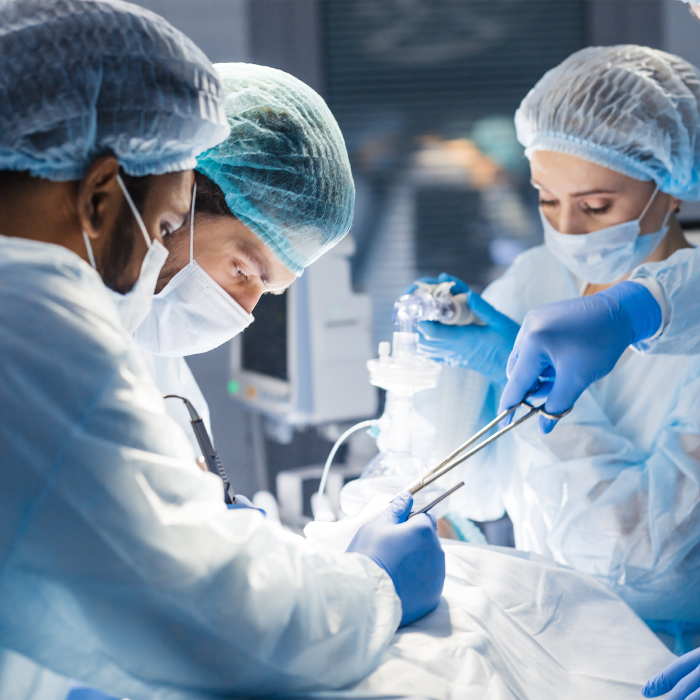
This webinar equipped nurses with the knowledge and skills needed to effectively manage patients undergoing surgical treatment for melanoma. By understanding the surgical procedures, nursing care requirements and emotional support needs involved, nurses can significantly enhance patient recovery, reduce complications and improve overall outcomes.
Watch on demand
Event recording
Recording guide
Explore the topics
Open the guide below to see the eight topics covered, then select any topic to open the recording at that point on YouTube in a new tab.
Show the 8 topicsHide the topics
Learning outcomes
What you will learn
After this session, nurses will be able to:
01
Describe current surgical techniques
Describe the current surgical techniques used in melanoma treatment and their implications for patient care.
02
Apply evidence-based post-surgical nursing care
Identify evidence-based nursing practices for managing surgical melanoma patients, including wound care, monitoring for complications such as lymphoedema or infection, and promoting recovery through patient education and support.
At a glance
The event in brief
Originally held
Tuesday 18 February 2025
Online webinar, part of the Melanoma Nursing Webinar Program.
Who this is for
Nurses
Nurses managing patients undergoing surgical treatment for melanoma.
Contributors
Speakers
Speaker
Professor David Gyorki
Surgical Oncologist, Sarcoma and Melanoma, Peter MacCallum Cancer Centre; Professor, Sir Peter MacCallum Department of Oncology, University of Melbourne
Professor David Gyorki is a consultant surgical oncologist in the sarcoma and melanoma tumour streams at Peter MacCallum Cancer Centre and a clinical Professor in the Sir Peter MacCallum Department of Oncology at the University of Melbourne, working at the innovative forefront of clinical practice and research in both tumour streams. David is actively involved in sarcoma research as chair of the governance committee and a high-volume contributor to the international retroperitoneal sarcoma registry. He has also been at the forefront of research in neoadjuvant therapies for melanoma, contributing to protocol development and recruitment for a number of practice-changing, high-impact clinical trials, and is the Research and Education Lead for skin and melanoma at The VCCC Alliance. David is passionate about education and regularly presents at national and international meetings. He sits on a number of guideline committees for both sarcoma and melanoma, and is an invited member of the American Society of Clinical Oncology guidelines for systemic therapy in melanoma.
Speaker
Ms Natalie Osborne
Melanoma/Surgical Oncology Clinical Nurse Consultant, Royal Prince Alfred Hospital
Natalie Osborne has worked in the Melanoma/Surgical Oncology Department at Royal Prince Alfred Hospital for the past ten years as the Clinical Nurse Consultant. Much of the role involves wound care, pre- and post-operative patient education, and liaising with community nurses, GPs and other health services, such as physiotherapy and psycho-oncology, to coordinate patient care. She coordinates a nurse-led outpatient clinic in which patients from the range of hospitals where the department's surgeons operate are assessed, treated and followed up, and works with surgeons to perform minor surgical procedures in procedural clinics. Drain management and advanced wound care are the clinic's primary responsibilities, ensuring that patients receive appropriate evidence-based treatment and management. Natalie has completed a Master's in Haematology and Cancer Nursing through the University of Sydney and is currently undertaking a Master's degree in Public Health through the University of Tasmania. First and foremost, Natalie is passionate about patient care, in particular wound management and engaging with patients and their families through their health journey.
This webinar was brought to you by
Resource details